
Products & Services
What we do
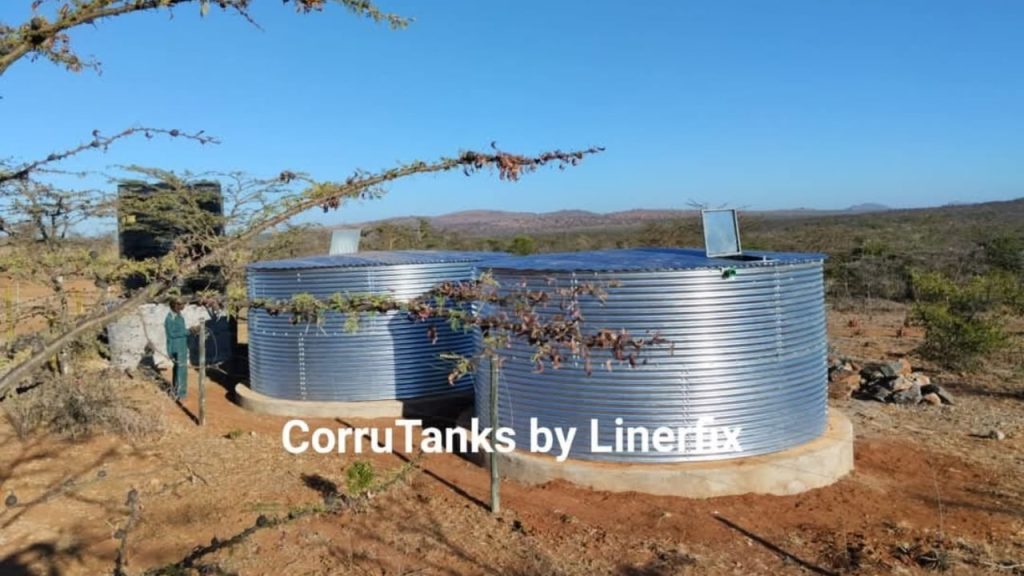
Corrugated Steel Water Tanks
Corrugated steel water tanks offer a durable and efficient solution for water storage, seamlessly blending strength and functionality. The manufacturing process involves precision-engineered corrugated steel sheets, designed to enhance structural integrity while minimizing material weight. These sheets are treated with anti-corrosion coatings to ensure long-term resilience in diverse environments. During installation, our team applies meticulous attention to detail, assembling the tank components to meet rigorous quality standards. From foundation preparation to the secure sealing of joints, every step is optimized for stability and leak prevention. The tanks can be customized in size and capacity, catering to residential, commercial, and industrial water storage needs. Whether it's rainwater harvesting, firefighting reserves, or agricultural irrigation, corrugated steel tanks are an ideal choice for efficient and reliable water management.
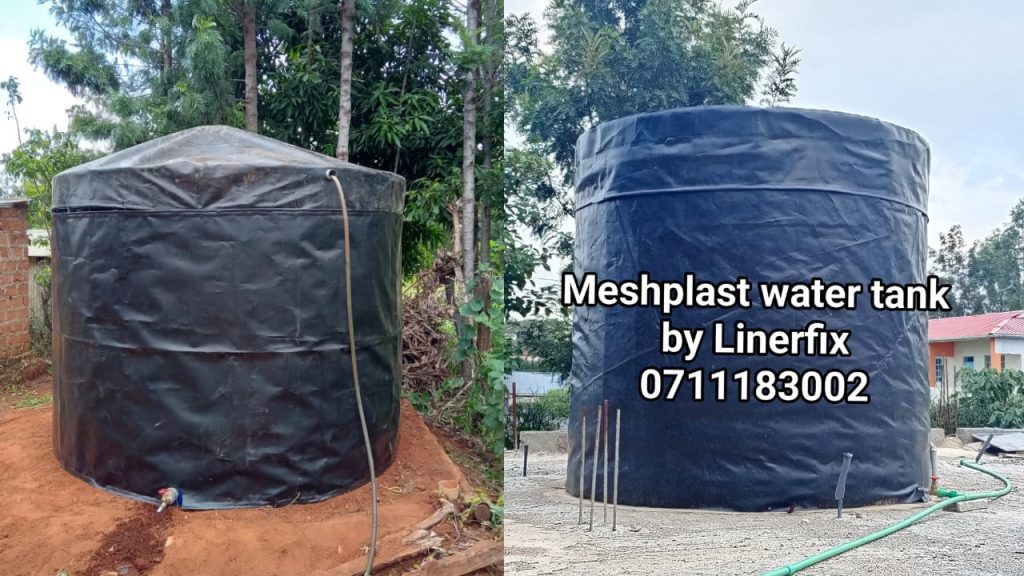
Meshplast Water Tanks
Meshplast water tanks are an innovative and versatile solution for modern water storage needs. Crafted using high-strength mesh-reinforced plastic, these tanks are engineered for durability, lightweight handling, and resistance to environmental wear. The manufacturing process integrates advanced molding techniques to ensure uniformity, structural stability, and a smooth finish, meeting high industry standards for water safety and hygiene. The installation of Meshplast water tanks is a streamlined process, making them ideal for both residential and commercial applications. Our expert team ensures precise placement, secure fittings, and proper sealing to prevent leaks and maintain efficiency. These tanks can be customized in shape, size, and capacity to suit varying requirements, from rainwater harvesting to large-scale water storage. With their robust design and easy installation, Meshplast water tanks provide a dependable, long-lasting solution for sustainable water management.
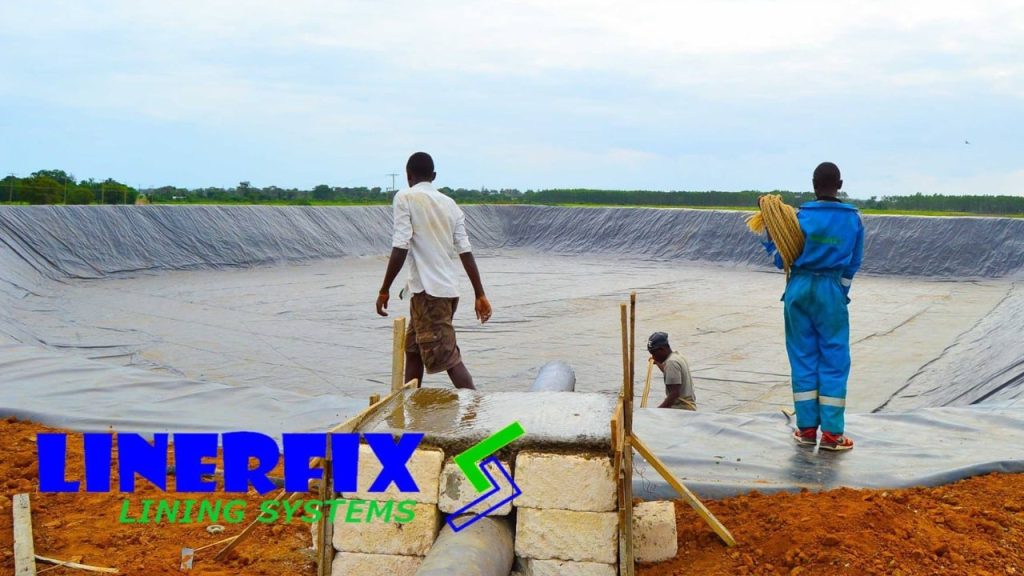
Geomembrane Dam Liners
Geomembrane dam liners are an essential component for effective water containment and environmental protection. These liners are manufactured using high-quality synthetic materials, such as polyethylene or polyvinyl chloride (PVC), known for their exceptional flexibility, impermeability, and resistance to chemicals and UV radiation. The manufacturing process involves advanced extrusion and calendaring techniques to ensure uniform thickness and durability, making the liners suitable for long-term use in various applications. During installation, our expert team ensures precision and adherence to the highest standards. The process includes site preparation, careful placement of the liner, secure welding of seams, and thorough quality checks to guarantee a leak-proof and robust water storage solution. Geomembrane liners can be customized to fit a variety of dam sizes and shapes, catering to agricultural, industrial, and environmental conservation needs. With their durability and reliability, geomembrane dam liners provide a cost-effective and sustainable solution for efficient water management.
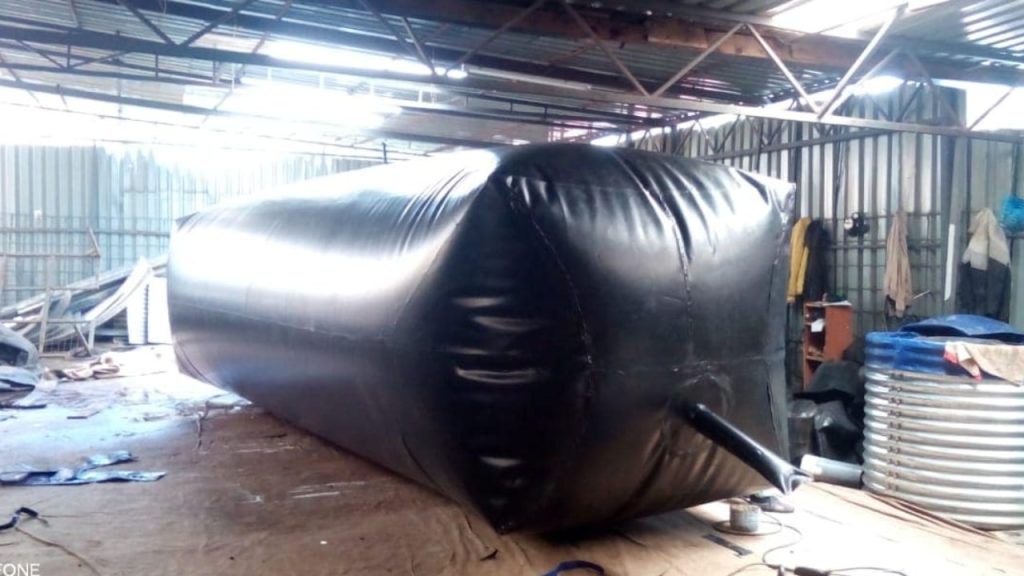
Flexible Biogas Digestors
Flexible biogas digesters are an innovative and cost-effective solution for converting organic waste into renewable energy. These digesters are manufactured using high-quality, durable, and UV-resistant materials, such as reinforced polyethylene or PVC tarpaulin. The production process is meticulously designed to ensure flexibility, resilience, and ease of transport, making them ideal for diverse settings, from rural households to agricultural facilities. Installation is straightforward and efficient. Our specialized team manages the entire process, from site preparation and positioning of the digester to connecting inlet and outlet systems. Proper sealing and setup ensure optimal performance and safety, allowing for the seamless fermentation of organic waste into biogas. These digesters can be customized in size and capacity to suit individual energy requirements. With their adaptability and environmental benefits, flexible biogas digesters offer a sustainable and reliable method for energy generation, reducing waste and cutting down reliance on non-renewable resources.
Aquaculture Fish Tanks
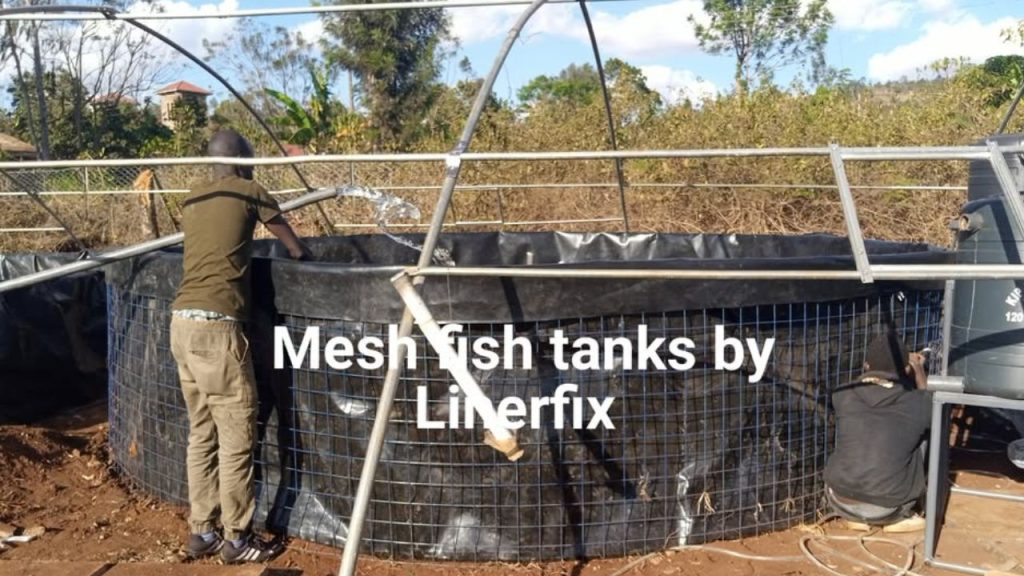
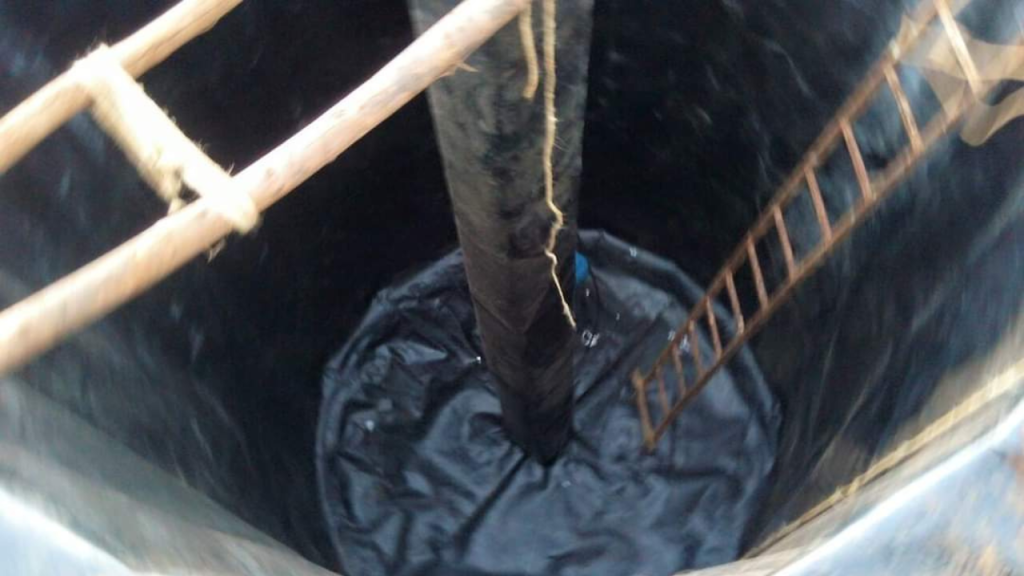
Aquaculture fish tanks are designed to provide optimal environments for sustainable fish farming and aquatic life cultivation. The production process involves using high-quality, durable materials such as fiberglass, reinforced concrete, or food-grade plastics to ensure longevity, hygiene, and resistance to corrosion. Each tank is precisely engineered to meet specific aquaculture requirements, including water flow, aeration systems, and temperature control.
Installation is tailored to the unique needs of your aquaculture project.
Our experienced team oversees every step, from site assessment and foundation preparation to secure placement and integration of essential systems like filtration and drainage. Tanks can be customized in shape, size, and capacity, accommodating a variety of species and farming scales.
With a focus on efficiency and adaptability, aquaculture fish tanks provide reliable solutions for sustainable fish farming, enabling optimal growth conditions for your aquatic stock.
Waterproofing using Dam Liners
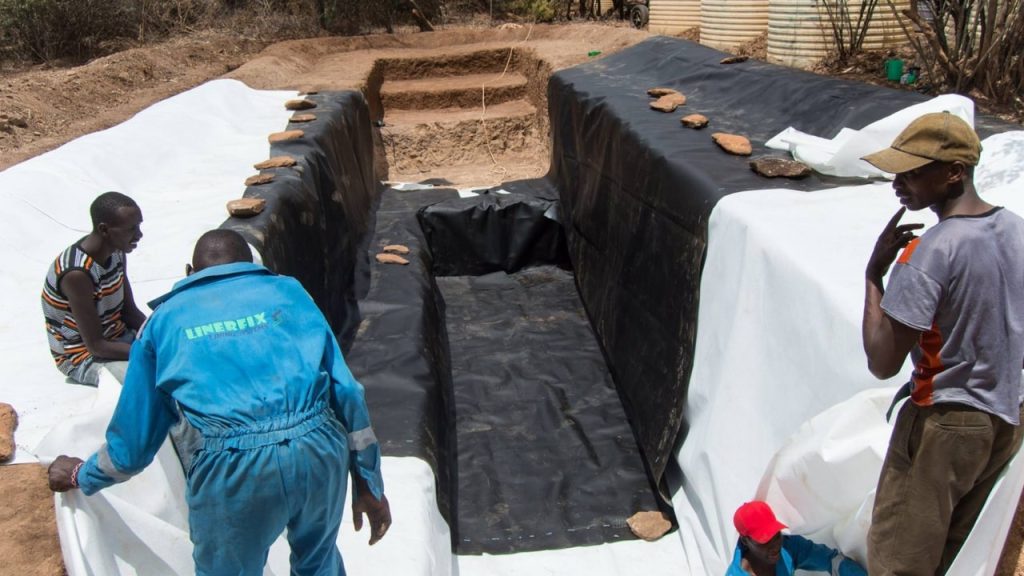
Waterproofing leaking water tanks using dam liners is an efficient and durable solution to restore the tank’s integrity and prevent water loss. Dam liners are made from high-quality, impermeable materials like HDPE, LDPE, or PVC, designed to withstand pressure, resist chemical reactions, and provide long-lasting protection. The process involves thorough cleaning and preparation of the tank's interior surface to ensure proper adhesion and placement of the liner. The liner is then carefully installed, covering all areas prone to leaks and sealing the tank entirely. Precision welding or adhesive techniques are applied to secure the seams, ensuring a watertight barrier. This method not only prevents leaks but also enhances the tank's durability by protecting it from further damage. With their adaptability and cost-effectiveness, dam liners are a reliable choice for waterproofing both old and new water tanks, ensuring efficient water storage and minimizing wastage.
Extrusion Welding
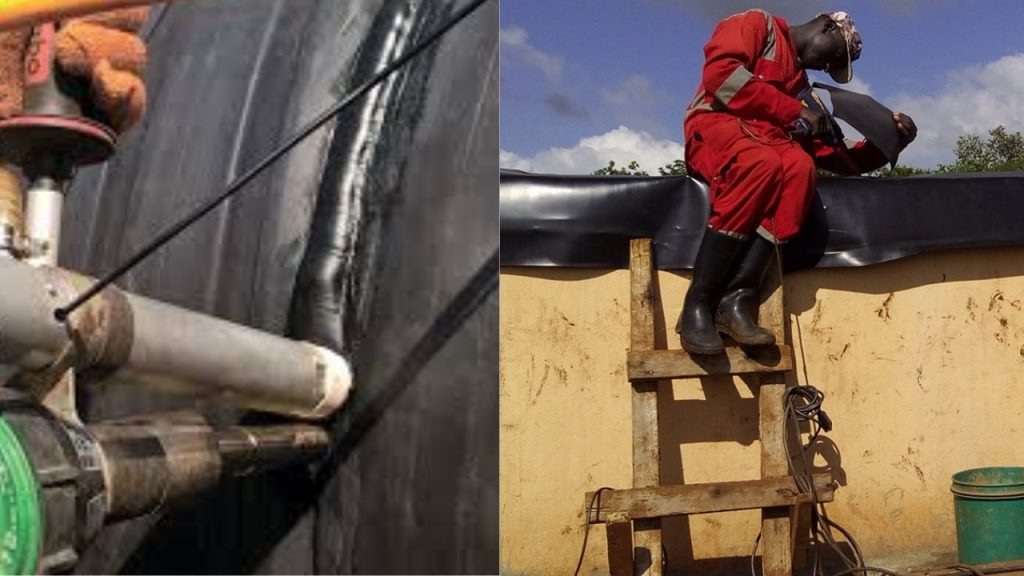
Repairing plastic tanks using extrusion welding is a precise and effective method to restore their structural integrity and ensure longevity.
This process involves using a specialized welding tool to heat and melt compatible plastic filler material, which is then applied to the damaged area. The molten plastic fuses with the tank's surface, creating a strong, seamless bond that effectively seals cracks, holes, or other imperfections.
The repair begins with thorough cleaning and preparation of the damaged area to remove debris and contaminants. Once the area is prepped, the extrusion welding technique is applied with precision, ensuring a secure and durable repair. This method is particularly suited for tanks made from thermoplastics like polyethylene (PE) or polypropylene (PP), as it guarantees compatibility between the filler material and the tank.
Extrusion welding provides a cost-effective and sustainable solution for repairing plastic tanks, extending their lifespan and maintaining their functionality for various applications.
Landfill Lining and Capping
Landfill lining and capping are essential practices for environmental protection and sustainable waste management. These processes involve creating barriers to prevent contamination of surrounding soil and water, while also promoting efficient waste containment and site rehabilitation. Landfill lining begins with the installation of impermeable liners, typically made of materials like geomembranes or clay, at the base of the landfill. These liners act as a protective layer, preventing leachate (a liquid formed from decomposing waste) from seeping into the ground and polluting nearby water sources. The lining system is often combined with drainage layers and collection systems to manage leachate and gases effectively. Landfill capping, on the other hand, is the process of sealing the top of a landfill after it has reached capacity. This involves placing a durable geomembrane or clay cap, followed by a layer of soil and vegetation. The cap minimizes water infiltration, reduces the generation of leachate, and prevents the release of harmful gases like methane into the atmosphere. It also aids in site restoration by providing a stable surface that can be repurposed for future use. Together, landfill lining and capping ensure waste is managed responsibly, protecting ecosystems and surrounding communities from potential harm.